
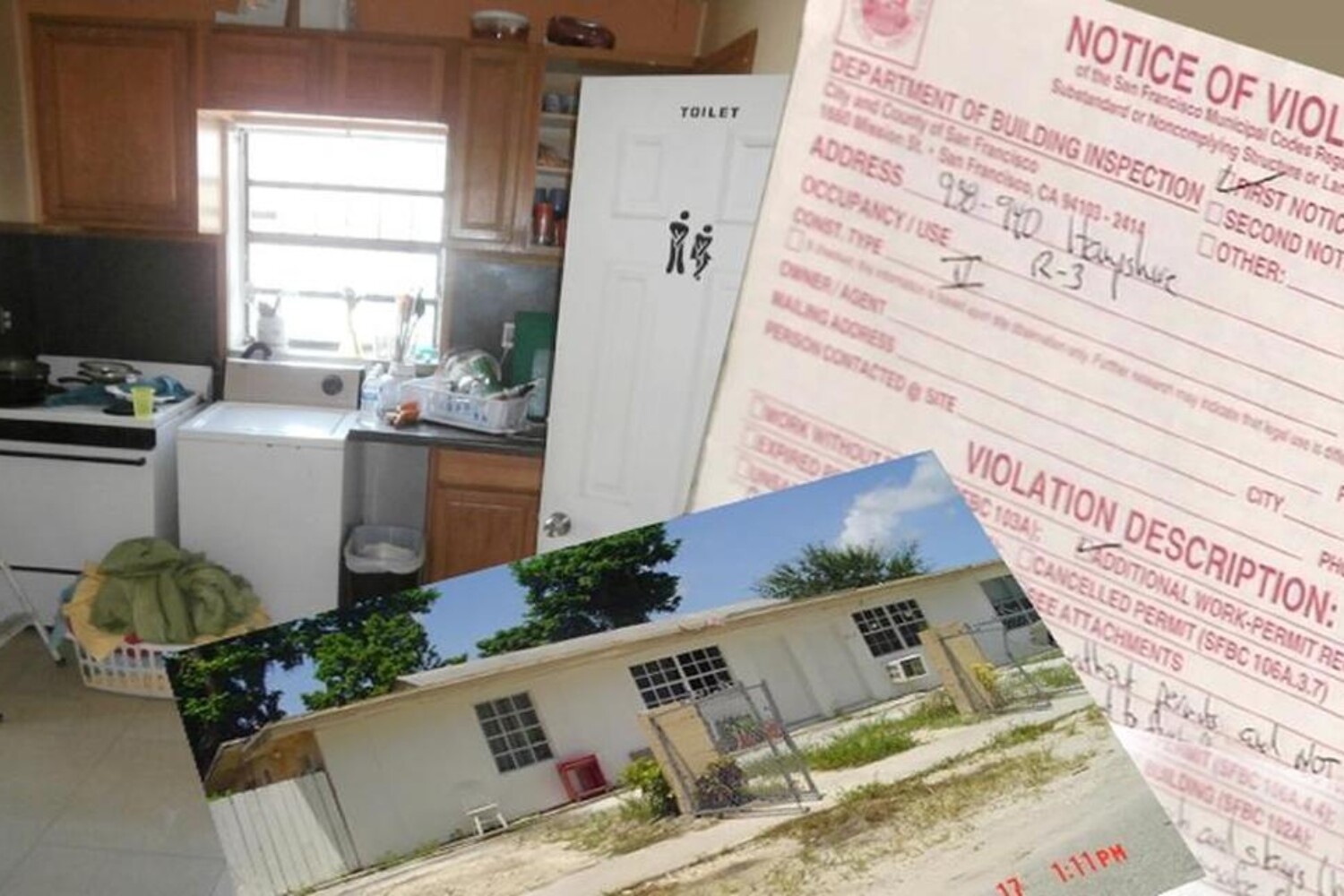
FLORIDA – As the housing crisis intensifies across Tampa and Miami, a dangerous trend is quietly spreading through residential neighborhoods: the rise of the illegal “efficiency.” Driven by a mix of economic pressure and, in many cases, pure landlord greed, these unpermitted additions are transforming safe family homes into high-risk fire traps.
In the push to generate more rental income, property owners are bypassing the law, creating a latent danger that puts tenants, neighbors, and first responders at risk.
The Electrical Breaking Point: 150 Amps vs. Modern Greed
The most significant threat in these illegal conversions is the electrical system. Most older homes in Miami and Tampa operate on a 150-amp main panel. While this was sufficient for a single-family home, it was never engineered to power two or three independent living units.
-
The Overload Scenario: When an illegal efficiency is built, landlords often tap into existing circuits rather than installing a dedicated sub-panel. They add high-draw appliances—electric stoves, water heaters, and illegally wired AC units—onto lines already burdened by the main house.
-
The “Silent” Heat: When a 150-amp panel is pushed beyond its capacity, the wires inside the walls begin to heat up. This isn’t a fuse that pops once; it is a sustained thermal degradation of the wire insulation. Over time, the copper glows hot enough to ignite dry wood framing or old insulation, starting a fire long before a breaker ever trips.
-
DIY Disasters: To save money, many “bootleg” builders skip licensed electricians entirely, using improper wire gauges and failing to install GFCI protection, creating a dual risk of fire and electrocution.
Roofing and Structural Fire Hazards
An illegal efficiency often lacks the fire-rated separations required by the Florida Building Code.
-
Roofing Vulnerability: In legal construction, firewalls must extend to the underside of the roof deck to prevent a fire in one unit from sweeping through the entire attic. Illegal additions rarely follow these rules.
-
Poor Materials: Scammers and “greedy” builders often use non-rated materials and substandard roofing techniques that allow oxygen to feed a fire, turning a small electrical spark into a total loss in minutes.
Is Your Home a Fire Trap? The Safety Checklist
If you own a home or are renting a studio, you must verify these critical safety components:
-
Smoke Detectors: Every sleeping area and every hallway must have a working smoke detector. In a legal unit, these should be hardwired with a battery backup.
-
Panel Evaluation: If your home has an added unit and is still running on a 150-amp panel, you are likely in the “danger zone.” A professional upgrade to a 200-amp or 400-amp system with a permitted sub-panel is the only safe solution.
-
The “Illegal AC” Test: If the lights flicker when the efficiency’s air conditioner kicks on, the circuit is overloaded. This is a primary warning sign of an impending electrical fire.
-
Egress Windows: Many illegal efficiencies use small, high windows that a human cannot fit through. In a fire, if the main door is blocked, these units become “concrete coffins.”
The Legal and Moral Reality
Building an illegal efficiency to “save money” is a short-sighted gamble. Florida municipalities are cracking down on unpermitted dwellings with massive fines and mandatory demolition orders. More importantly, if a fire occurs in an unpermitted unit, homeowners’ insurance will almost universally deny the claim, leaving the owner liable for millions in property damage and potential wrongful death lawsuits.
The Professional Path
Safety in Florida construction is not a suggestion; it is a requirement. If you want to increase your property value or provide housing, it must be done through the front door: with permits, licensed contractors, and state inspections.
Final Verdict: Greed should never be a blueprint for construction. Whether you are in Tampa’s suburbs or Miami’s urban core, ensure your electrical heart is strong enough for the load you are asking it to carry. Hire a professional, upgrade your panel, and sleep soundly knowing your “efficiency” isn’t a death trap.